
A pediatric dentist specializes in the comprehensive oral health of children from infancy through the teen years. They provide preventive care, monitor development, and treat dental problems using techniques tailored specifically for growing patients.
When your child’s first tooth appears, knowing who handles your child’s teeth makes sure they get the right start. A pediatric dentist offers more than just small chairs and toys; they understand the unique physical and emotional needs of kids.
The Path to Pediatric Dentistry
All dentists begin their careers in the same place. They attend dental school for four years to earn a general degree in dentistry. This education covers the basics of oral anatomy, diagnosis, and treatment for patients of all ages.
However, a pediatric dentist chooses to continue their education. They complete an additional two to three years of residency training. This residency focuses entirely on treating children. It includes hospital training, where they learn to work with severe dental issues and emergencies. They also study child psychology and development.
This extra training prepares them to handle the specific behavioral and physical needs of children. A child’s mouth changes rapidly as they grow. A specialist understands these stages of growth. They know how to identify issues early before they become major dental problems.
Pediatric Dentists Provide Specialized Care for Growing Smiles
The primary goal of a pediatric dentist is prevention. They want to stop problems before they start. A standard visit involves several key steps designed to keep a child’s teeth healthy.
You can expect the following services during a routine check-up:
- Comprehensive Examinations: The dentist checks the teeth, gums, and jaw for signs of trouble. This includes monitoring the way teeth fit together as the child grows.
- Professional Cleanings: Hygienists remove plaque and tartar that regular brushing might miss. This keeps gums healthy and breath fresh.
- Fluoride Treatments: The application of topical fluoride strengthens the enamel. This mineral acts as a shield against acid attacks from sugar and bacteria.
- X-Rays: When necessary, digital images allow the dentist to see what is happening beneath the gum line. This helps spot hidden decay or bone issues.
- Sealants: The dentist may apply a thin, protective coating to the back teeth. This blocks food particles from getting stuck in deep grooves.
- Education: A large part of the job involves teaching. They show parents and kids the best ways to brush and floss at home.
Depending on the dentist, they may provide many more. A pediatric dentist with a comprehensive service list demonstrates their expertise in the field.
Related Article: When Should Kids See a Pediatric Dentist?
Treating Tooth Decay and Cavities
Despite best efforts, cavities can still occur. Tooth decay remains one of the most common chronic diseases among children. When a child has a cavity, a pediatric specialist treats it with a gentle touch.
They use techniques and equipment designed for smaller mouths. This makes the procedure faster and more comfortable for the patient. If a baby tooth has extensive decay, they might place a pediatric crown. This saves the tooth until it falls out naturally.
Saving a baby tooth might seem unnecessary since it will fall out anyway. However, these primary teeth serve an important purpose. They hold space for the permanent teeth waiting underneath. If a baby tooth is lost too early due to decay, the surrounding teeth may shift. This blocks the permanent tooth and leads to crowding or alignment issues later. Proper dental care in the early years sets the foundation for a straight, healthy adult smile.
How Pediatric Dentists Manage Behavior and Anxiety
Many adults fear the dentist. It is understandable that children feel nervous too. A pediatric dentist excels at alleviating these fears. Their training in child psychology plays a massive role here.
They use a method often called “Tell-Show-Do.” First, they tell the child what they will do using simple words. Next, they show the child the tool or the process. Finally, they do the procedure. This removes the mystery and fear of the unknown.
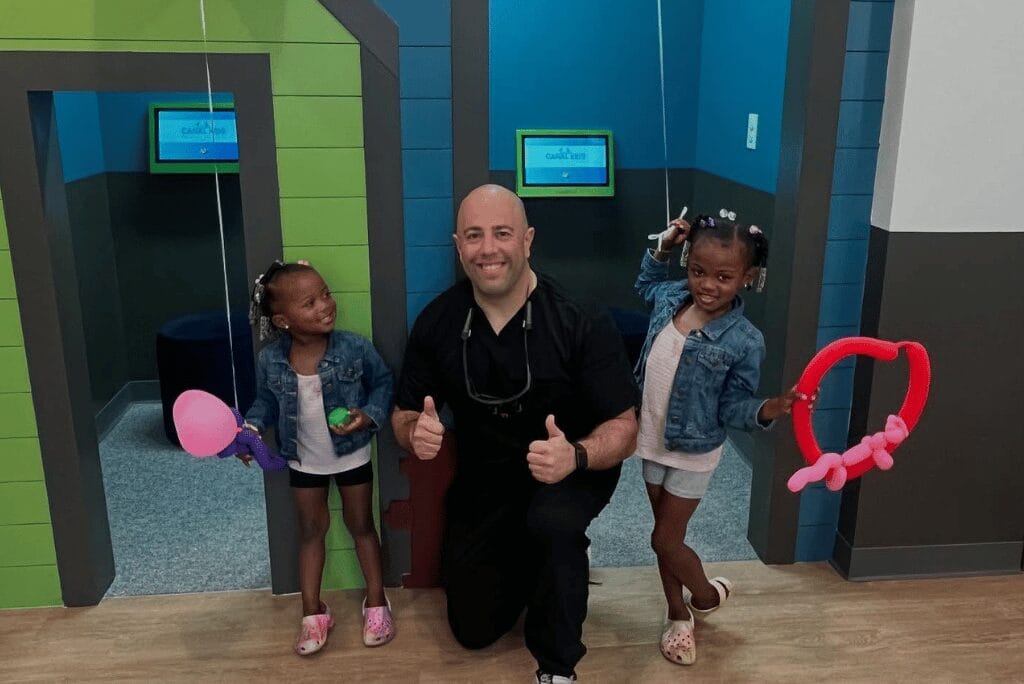
The office environment supports this approach. You will not find stark white walls or scary tools in plain sight. These offices feature bright colors, games, and a welcoming atmosphere. The staff speaks in a friendly, positive tone. They avoid scary words like “needle” or “drill.” Instead, they use terms like “sleepy juice” or “whistle brush.” This language helps the child feel safe and builds trust between the patient and the doctor.

Care For Children with Special Needs
Pediatric dentistry also encompasses care for patients with special health care needs. Children with physical, developmental, mental, or sensory impairments often require adapted care.
A general dentist may not have the equipment or training to accommodate these patients comfortably.
A pediatric specialist does.
They learn specific strategies to help children with autism, Down syndrome, or cerebral palsy receive the care they need. This might involve modified steps during cleanings or using mild sedation to keep the patient calm and safe, with oral sedation lasting long enough to complete care comfortably and safely. The goal remains the same: to ensure every child achieves optimal oral health, regardless of their individual challenges.
Detection of Early Orthodontic Issues
While pediatric dentists don’t typically put on braces—although some may be trained in orthodontics—they act as the first line of defense. They monitor jaw development during every visit, looking for signs of crowding, crossbites, underbites, or overbites.
Identifying these issues early allows for timely intervention. In some cases, early treatment can guide the jaw’s growth. This might reduce the time a child needs to wear braces or Invisalign in their teen years. If the dentist spots a concern, they will refer you to an orthodontist at the right time.
Building Healthy Habits for Life
The relationship your child forms with their dentist shapes their view of oral healthcare for the rest of their life. A positive experience now encourages them to become responsible adults later. A pediatric dentist acts as more than a doctor; they serve as a coach for your family’s oral health.
They support parents by offering guidance on several key topics:
- Diet and Nutrition: They explain how sugary snacks and drinks affect the teeth and suggest healthier alternatives.
- Habit Breaking: They offer advice on stopping thumb sucking or pacifier use before these habits reshape the jaw.
- Parental Support: They provide empathetic feedback without judgment, understanding that parenting presents challenges.
This partnership gives you actionable steps to improve your family’s routine.
A Lifetime of Healthy Smiles Starts with a Pediatric Dentist
So, what does a pediatric dentist do? They act as a dedicated guardian for your child’s smile. From the arrival of the first tooth through the teenage years, they provide expert dental care tailored to growing kids. They combine the technical skills learned in dental school with a gentle, patient-centered approach.
Choosing a specialist ensures your child receives vital fluoride treatments, cleanings, and repairs in an environment built just for them. This approach minimizes anxiety and maximizes health. By addressing dental problems early, you help prevent tooth decay and other issues down the road. If you have not found a dental home yet, consider scheduling a visit. A healthy, confident smile is a gift that lasts a lifetime.